
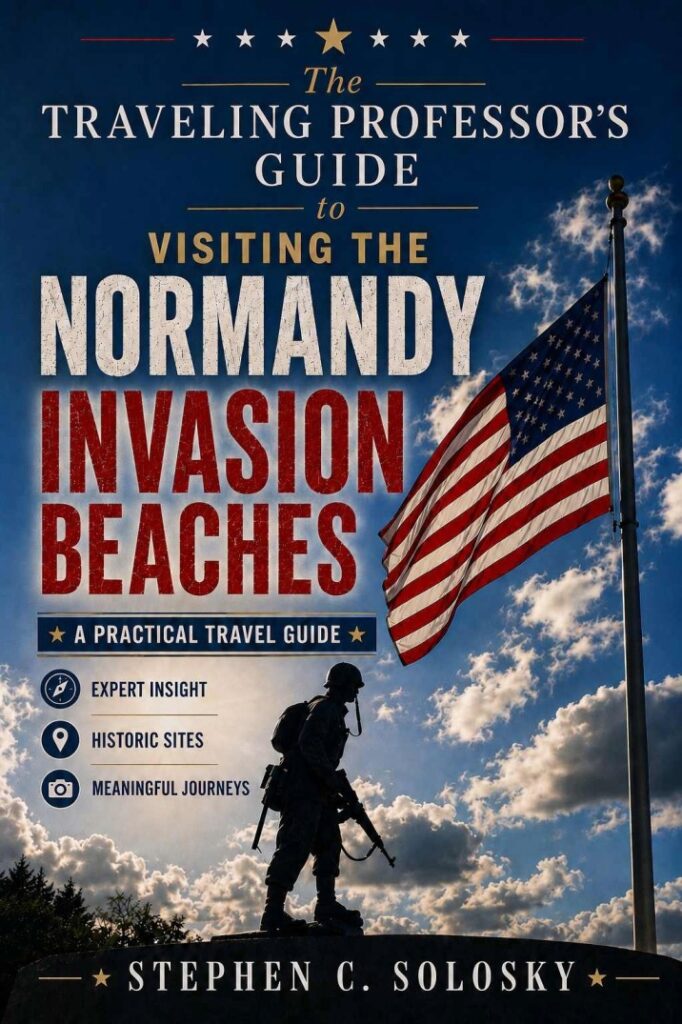
Stephen C. Solosky, known as The Traveling Professor, has spent years helping travelers experience Normandy with greater understanding and context. In his book, The Traveling Professor’s Guide to Visiting the Normandy Invasion Beaches, he combines practical travel advice with accessible history to help visitors make the most of one of Europe’s most meaningful destinations.
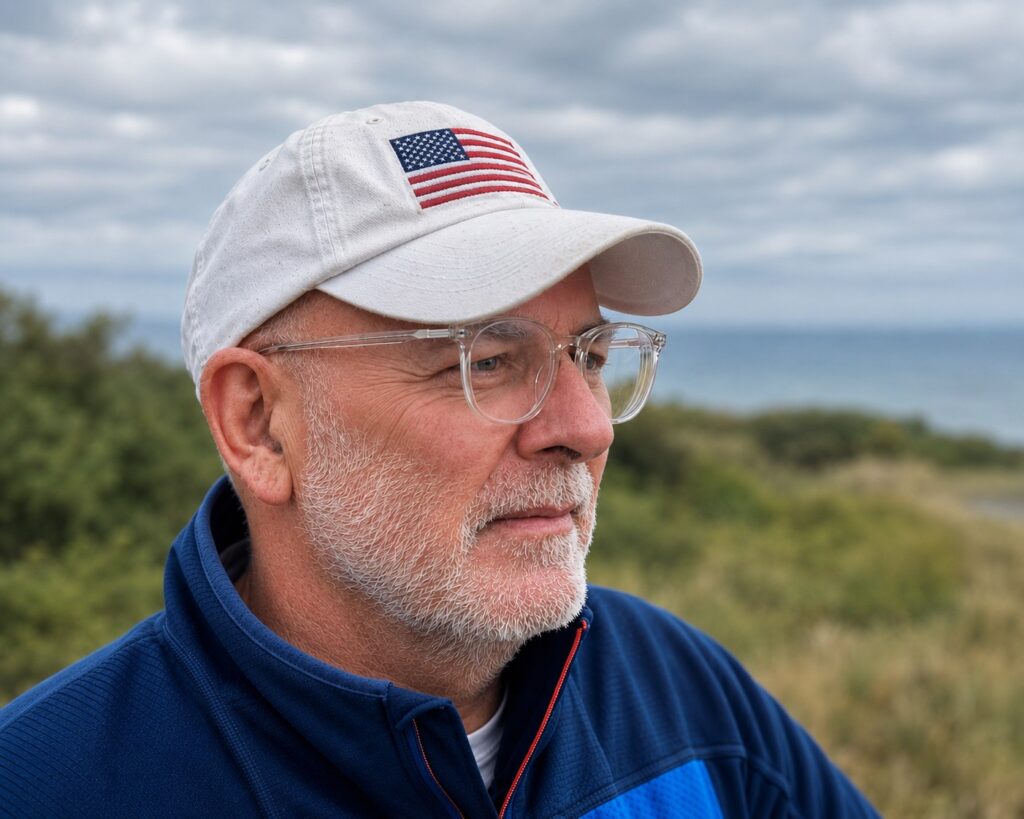
- What inspired you to write The Traveling Professor’s Guide to Visiting the Normandy Invasion Beaches?
I had taken travelers to Normandy many times, and I kept seeing the same problem. People knew the names—Omaha Beach, Utah Beach, Pointe du Hoc—but they often didn’t understand how the places fit together or what they were actually looking at when they arrived.
There are many excellent books about the military history of D-Day. I wanted to write something different: a practical guide for the traveler who wants to visit Normandy, understand what happened there and get much more out of the experience.
- You call this a guide for travelers rather than a book for military historians. Why is that distinction important?
Because most people visiting Normandy are not military historians. They may know the basic story of D-Day, but they don’t necessarily know the difference between the American, British and Canadian sectors, why one beach was more difficult to attack than another, or why certain locations became so important.
My goal is to explain enough history to make the visit meaningful without overwhelming the reader with military terminology and hundreds of troop movements. I want someone to be able to stand on Omaha Beach and understand what happened there.
- What surprises first-time visitors most about the Normandy invasion beaches?
The scale of everything.
People sometimes imagine that they are going to visit one battlefield. In reality, the Normandy invasion area stretches for miles along the coast and includes beaches, cliffs, villages, cemeteries, museums, gun batteries, landing sites and battlefields.
The second surprise is how peaceful it is today. You can stand overlooking Omaha Beach on a beautiful morning and find it difficult to reconcile what you see with what happened there on June 6, 1944.
- If someone has only one day in Normandy, what should they make sure they see?
For an American visitor, I would concentrate on the American sector rather than trying to see everything.
Omaha Beach and the Normandy American Cemetery should certainly be included. Pointe du Hoc is also extremely important because the landscape itself helps tell the story. Depending upon the itinerary, I would also include one or two locations that illustrate what happened inland after the landings.
The biggest mistake is trying to check ten places off a list. Normandy rewards people who slow down.
- What is the biggest mistake people make when planning a visit to the D-Day beaches?
Trying to see too much.
Someone looks at a map and says, “We’ll do Utah Beach, Omaha Beach, Pointe du Hoc, the American Cemetery, Sainte-Mère-Église, Pegasus Bridge and three museums before dinner.”
Technically, you might be able to drive past all of them. But you haven’t really experienced Normandy.
This is one of those destinations where seeing fewer places and understanding them is much more valuable than racing from monument to monument.
- Is a guide really necessary when visiting the Normandy beaches?
You can certainly visit Normandy independently, and my book is designed to help people do that. But a knowledgeable local battlefield guide can dramatically improve the experience.
A good guide doesn’t simply recite facts. He or she can stand in a particular location, explain the terrain, point out where units landed or advanced and connect the landscape in front of you with the events of 1944.
That can turn an interesting visit into an unforgettable one.
- Which location in Normandy has the greatest emotional impact on you personally?
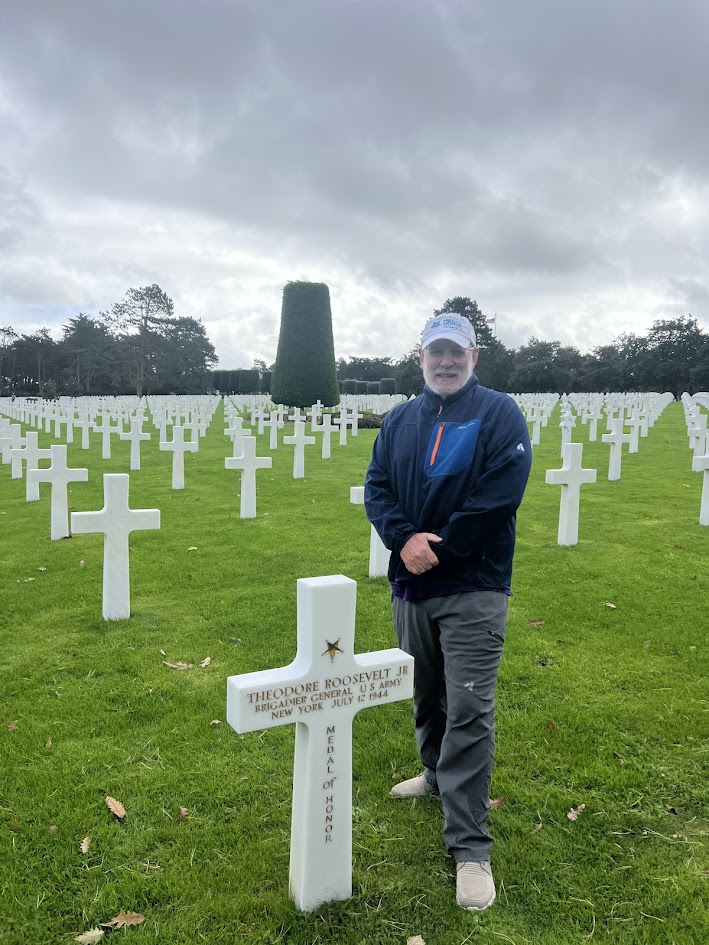
The Normandy American Cemetery is extraordinarily powerful.
There are 9,389 American service members buried there. When you see those rows of white crosses and Stars of David overlooking Omaha Beach, the statistics of D-Day suddenly become very human.
I also encourage visitors not to think of the cemetery simply as thousands of graves. Every marker represents a person with parents, friends, dreams and a life that ended far too soon.
- Are there stories in the book that help personalize the history?
Yes, and I think those stories are essential.
One example involves the Niland brothers, whose family story became associated with the inspiration behind Saving Private Ryan. There are also fathers and sons, Medal of Honor recipients, unidentified soldiers and the names of those who were never recovered.
When you begin looking at individual people rather than casualty numbers, Normandy becomes a very different experience.
- How much time should someone ideally allow for visiting the D-Day sites?
I would recommend at least two full days for someone with a serious interest in the American sites, and longer if they want to explore the British and Canadian sectors as well.
Three days gives you much more breathing room. You can visit the major locations, spend meaningful time in a museum, stop in some of the villages and not feel as though you are constantly looking at your watch.
Normandy is not a place where speed improves the experience.
- Where should travelers stay when visiting the invasion beaches?
Bayeux is an excellent base for most visitors. It is a beautiful historic city, it has good hotels and restaurants, and many battlefield tours depart from there. It is also conveniently located for reaching the major American D-Day sites.
Caen can work well too, particularly for travelers interested in the eastern landing areas or the Caen Memorial Museum, but for many first-time American visitors, I generally prefer Bayeux.
- Has leading travelers through Normandy changed the way you personally look at D-Day?
Very much so.
The more often I visit, the less D-Day becomes a collection of famous places and the more it becomes a collection of individual human stories.
Standing on a beach is one thing. Learning about an 18- or 19-year-old who crossed that beach under fire is another.
That is one reason I continue to find Normandy so compelling. No matter how many times you visit, there is another story waiting to be discovered.
- Who did you write this book for?
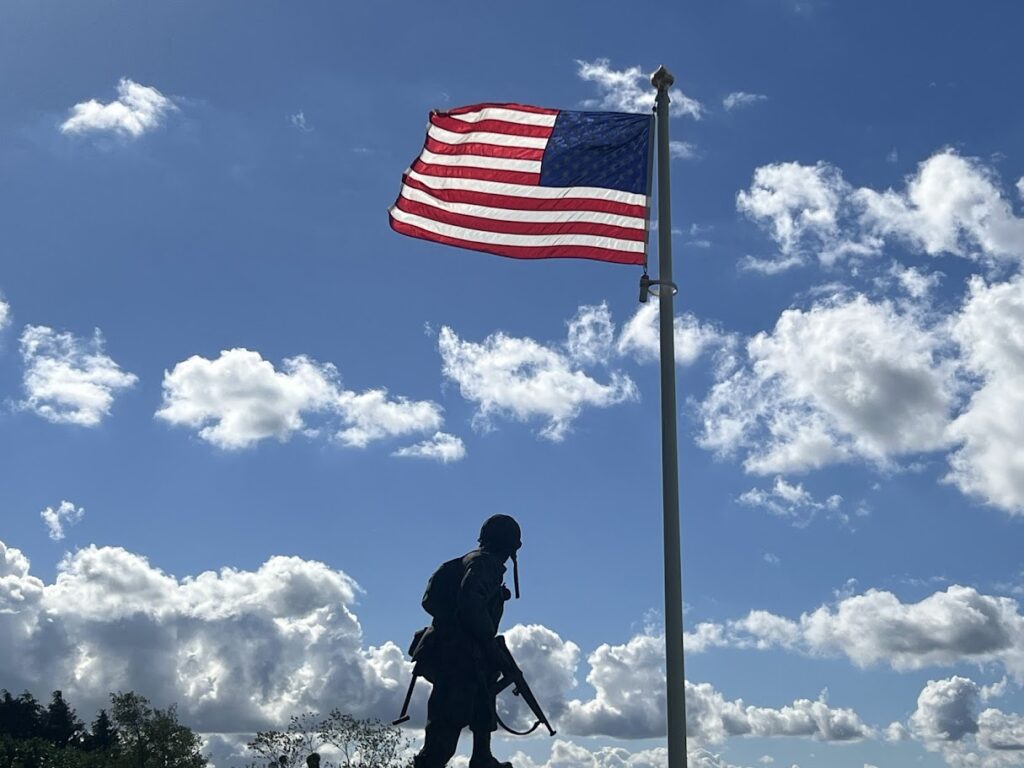
I wrote it for the person who says, “I want to visit the Normandy invasion beaches, but I’m not sure where to start.”
It is for first-time visitors, families retracing the footsteps of relatives, World War II enthusiasts and travelers who simply want to understand one of the most important events of the twentieth century.
You do not need to know military history before opening the book. My job is to give you enough background and practical advice so that when you arrive in Normandy, the places you see make sense.
- Your book includes a foreword by Rear Admiral John E. Jolliffe. What did that mean to you?
It was a tremendous honor.
Having Rear Admiral Jolliffe contribute the foreword reinforced something I hoped the book would accomplish: connect serious respect for the history with a practical resource for today’s traveler.
This book is ultimately about helping people visit these places thoughtfully and appreciate what happened there. His participation meant a great deal to me.
- After someone finishes the book and visits Normandy, what do you hope they take away from the experience?
I hope they come away with more than photographs.
I want them to understand the extraordinary scale of what happened on June 6, 1944, but even more importantly, I want them to remember the people behind it.
Normandy is certainly about military strategy and history, but when you stand on those beaches or walk through the American Cemetery, it becomes something much more personal.
If someone returns home saying, “Now I understand what those men faced, and I understand why this place matters,” then the book has accomplished exactly what I wanted it to do.

We believe in sharing knowledge with everyone and making a positive change in society through our work and contributions. If you are interested in joining us, please check our ‘About’ page for more information