Welcome to Our August Interview Series, Allison!
Allison, it is genuinely wonderful to welcome you back to our interview series. We still remember our last conversation with you, where you shared your story with such honesty, courage, and warmth. Your journey, your advocacy, and the way you spoke about creating a better world for neurodivergent communities stayed with us long after the interview was published.
That conversation also created a meaningful response among our readers. It was lovely to see people connect with your experiences and, perhaps more importantly, see your story as a reminder that advocacy can begin with one person’s experience and slowly grow into something that helps others.
Since then, you have been moving into a new and exciting chapter, building art classes, developing a travel agency for autistic, neurodivergent, and special-needs families, and thinking about a much larger vision for the future. We are so happy to have you with us again and to hear what has been happening since our last conversation.
This time, we would love to continue from where we left off and talk about what you are building, what you are learning along the way, and where you hope this journey will take you.
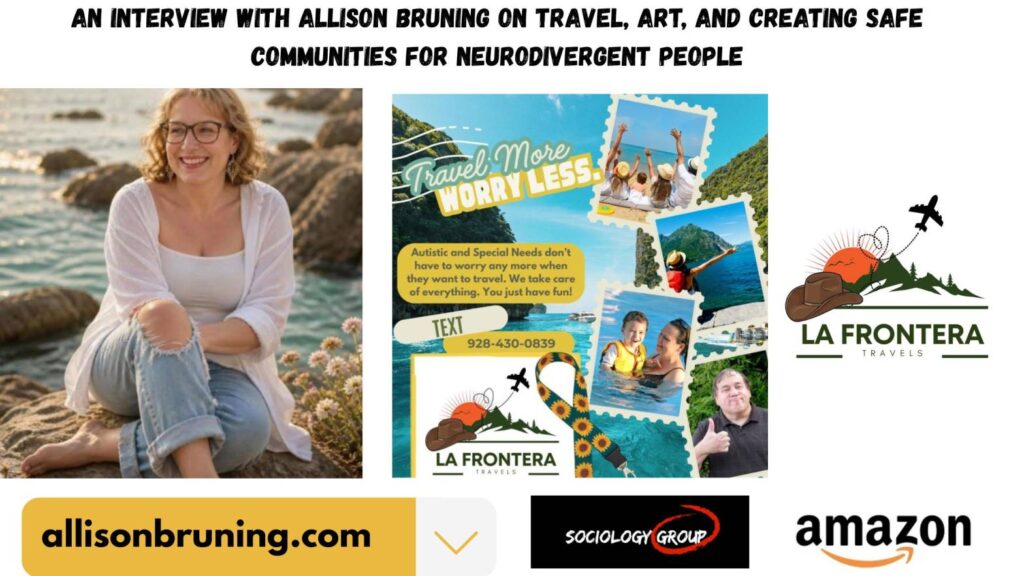
- Since our last conversation, you have started working on some very exciting ideas. When you look at everything you have been building recently, how does this new chapter feel compared with where you were when we last spoke?
I’m very excited with this new chapter in my life. It’s something that I love. When we last spoke I had been focusing more on my artistic side and trying to show the world that neurodivergents can make a difference in the world. I still have Allison Bruning Studios but now I’m building another business, La Frontera Travels.
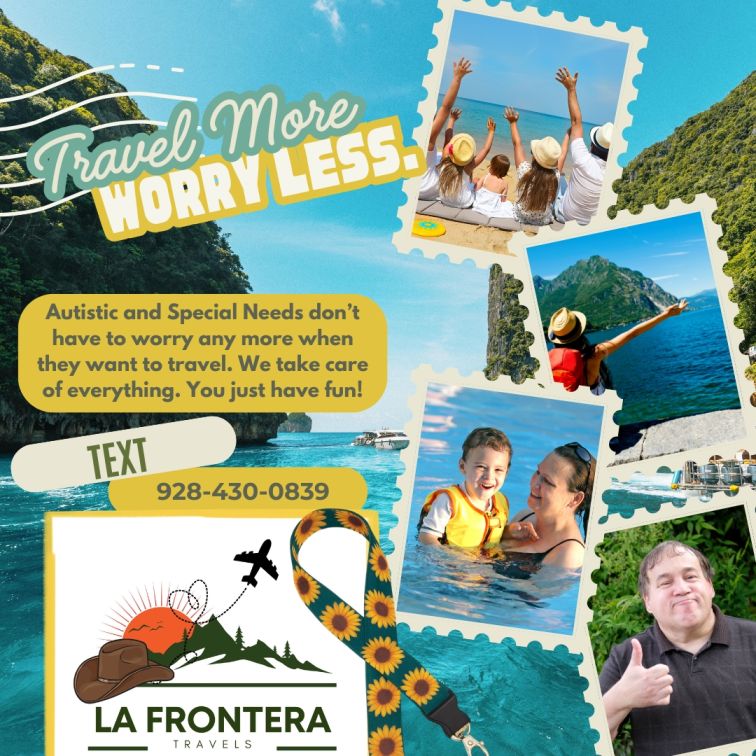
La Frontera Travels is exciting for me for several reasons. The name is in Spanish means the frontier. My late husband, Delfin Espinosa, was Marfa, Texas, deep in the heart of the Big Bend country of Texas. I designed the logo of company to represent the Big Bend of Texas and the name is honor of the frontier of the Big Bend.
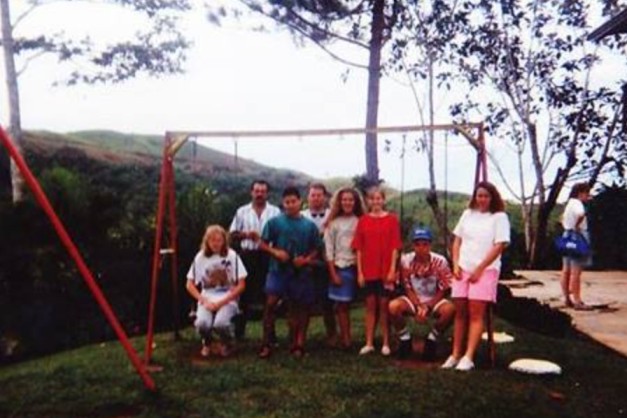
I have always loved to travel since I was a little girl. I have been to multiple states around the United States. My late husband and I were fulltime RVers before he passed away from COVID in 2021. I was a foreign exchange student to Costa Rica in high school. I have also been to Mexico, Canada, Bahrain, Myanmar, Thailand, and Laos. I want to share that love of travel with the other neurodivergents.
- You mentioned that you came across many families who felt isolated. What were you seeing in their experiences that made you feel that simply talking about inclusion was not enough, you wanted to actually create something that could bring people together?
I have travelled much in my life and I had no idea that there were so many neurodivergents that didn’t travel. I knew travelling was hard because accommodations were out there. I guess since I always travelled with someone it never had occurred to me until my husband had died just how hard it was to travel alone with my autism, epilepsy, anxiety and dyscalculia. That’s when I understood exactly what those families were going through.
- Your travel agency is specifically being developed with autistic, neurodivergent, and special-needs families in mind. What made travel the area where you felt you could make a real difference?
Honestly, it wasn’t until I went through the scary experience of travelling by myself that I realized we ALL need to come together and help each other out. They need a travel advisor who understands them because she is ONE of them.
- For many people, a holiday begins with excitement. For a neurodivergent family, there can sometimes be a lot of planning, uncertainty, and worry before the trip even begins. What do you think the travel industry still needs to understand better about these families?
The travel industry needs to understand that planning isn’t set in stone. Having a chronic illness doesn’t always mean the medicine is going to work. Being autistic is a spectrum disorder, no two autistics are the same. One day may be great and the next day maybe not so much. Just because you plan something doesn’t always mean it’s going to work out that way. You need to get to know us, because that’s the only way you are going to understand us.
- You are currently working on things like hotels and other arrangements behind the scenes. As you speak with businesses and put these pieces together, what are you learning about accessibility that you did not fully understand before starting this project?
One of the saddest things I see in the travel business is that accessibility is so limited. I don’t fully understand why. I have worked with some of the sweetest people in the industry that want to help special needs and neurodivergent but they just don’t understand us. That’s the hardest part. There’s much more education that needs to be done.
- I also find it interesting that, alongside the travel agency, you are building art classes for autistic and neurodivergent people. What have you discovered through these classes about creativity, self-expression, and simply giving someone a space where they feel comfortable being themselves?
Given a chance these people can be very creative. We just need to give them a place to express themselves. I am still in the process of launching the classes. I would like in the future to set a physical studio in downtown Dallas, Fort Worth, Austin and Corpus Christi. These studios would offer classes and places to showcase the artwork.
- At first, art classes and a travel agency might seem like two completely different projects. But knowing your larger vision, do you see something deeper connecting the two?
I do. I have other projects that will connect them. My focus is to help autistic and neurodivergent individuals find their place in the world. Right now I am focusing more on my travel agency and the art. I am teaching online through two tutoring agencies.
- You have said that your end goal is much bigger than what you are working on right now. Without revealing anything that is still taking shape, what does that bigger dream look like to you?
I plan to create a better world for autistic and neurodivergent to live in.
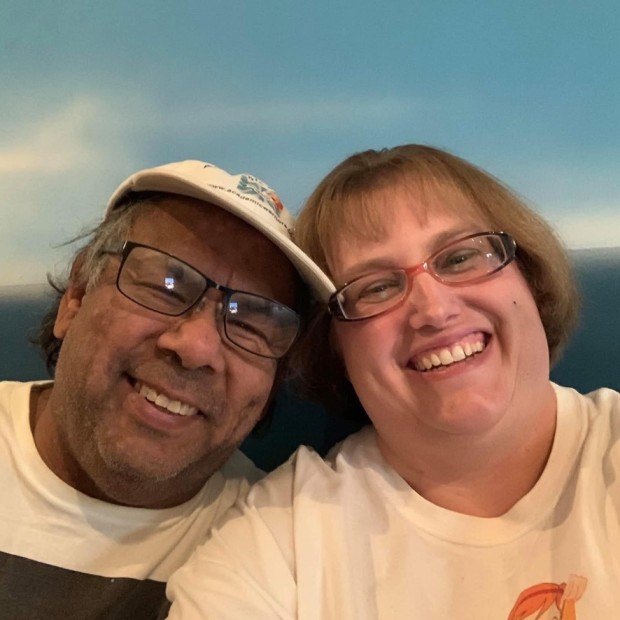
- You have spoken about wanting to make the world “safer and better” for neurodivergent communities. When you imagine that world, what does “safer and better” look like in ordinary, everyday life for a person or family?
I want to build safe places where autistic can live, work and grow in cities suburbs and rural areas. These places would offer all the supports for the autistic and neurodiverse individuals so that they live on their level without judgements.
10) You have also been very honest about the less exciting side of building something new, especially saying that marketing has been one of the hardest parts. What has been the most challenging part of this journey that people might not see from the outside?
I think the hardest part has been people have bad images of what autistics look and act like.
- And among all those challenges, has there been a particular moment recently that made you stop and think, “Yes, this is exactly why I started doing this”?
The scariest moment for me was when I was in an airport in Laos. I was all alone and I had no idea where my plane was. I was disoriented because of my Dycalculia. I was in a wheelchair because of my Epilepsy. I finally asked a flight attendant for help. She told me that I was on the wrong side of airport. I went to the desk. I told the guy I was disabled with autism, dyscalculia and epilepsy. He helped me to the correct side and told me they had already started to board my plane. Thankfully, I made it onto the plane.
- Your earlier work was very much about advocacy and giving people a voice. Now you are also creating actual spaces, services, and opportunities. Has building something yourself changed the way you understand what advocacy really means?
This project has always been something dear to my heart and is a step that I had on my Things to Do map for help the Autistic and Neurodiverse world map. I want autistics to know they can get out in the world with their family, caregivers and friends. They don’t need to hide. The world is a wonderful place.
- Looking back at everything you have done so far, your personal experiences, creative work, advocacy, and now entrepreneurship, do you feel that all these different parts of your life are finally coming together in what you are building today?
I think it’s just building onto each other. I had started my entrepreneurship journey long ago when I started Academic Warriors with my husband. Academic Warriors was an online school for autistic, gifted and special needs students. I owned and operated it from November 2016 to June 2023. I’ve always been a special needs teacher. I’m a special needs teacher that works with autistic, neurodiverse and special needs students online.
I have always had my ideas to build bigger business projects since I had my business with Delfin. We were building until the day he died. I’m just continuing the dreams we built together and adding a few more. Delfin and I were married for 20 years.
- When you think about a family discovering your work a few years from now, what would you most want them to feel? What would you hope they take away from being part of the community you are trying to create?
I would want them to feel that they were appreciated, loved and understood.
- You’re still building many of these ideas and putting the pieces together. For someone reading this who genuinely wants to support what you’re doing, whether by joining your community, collaborating with you, sponsoring your work, or helping you connect with the right people, what is the best way for them to get involved?
They can WhatsApp or Text me at 928-430-0839 or email me at allisonbruning@gmail.com
- And finally, Allison, if we meet again a few years from now and look back at this particular moment, the ideas you are developing, the challenges you are facing, and the dreams you are still putting together, what would you hope you could tell us about how far it all came?
I would love to say that the seeds that were planted grew into wonderful forests of safe, loving communities for autistics and neurodiverse individuals where they can live, grow and get they all the support they truly need and desire.
Previous Interview: An Interview with Allison Bruning: A Story of Courage, Advocacy, and Unstoppable Spirit

We believe in sharing knowledge with everyone and making a positive change in society through our work and contributions. If you are interested in joining us, please check our ‘About’ page for more information