
About: Halima Goodwin, DNP, PMHNP-BC, CPNP-PC is a Doctoral prepared, nationally certified Pediatric Nurse Practitioner and Psychiatric Mental Health Nurse Practitioner. Dr. Goodwin, Nurse Practitioner obtained her Bachelor’s and Master’s in Nursing from Hampton University, a Doctorate in Nursing Practice from the University of Maryland, and a Post Master’s Certificate from Rivier University in New Hampshire. She has served the nursing field with an emphasis in pediatric primary care and mental health care for 25 years.
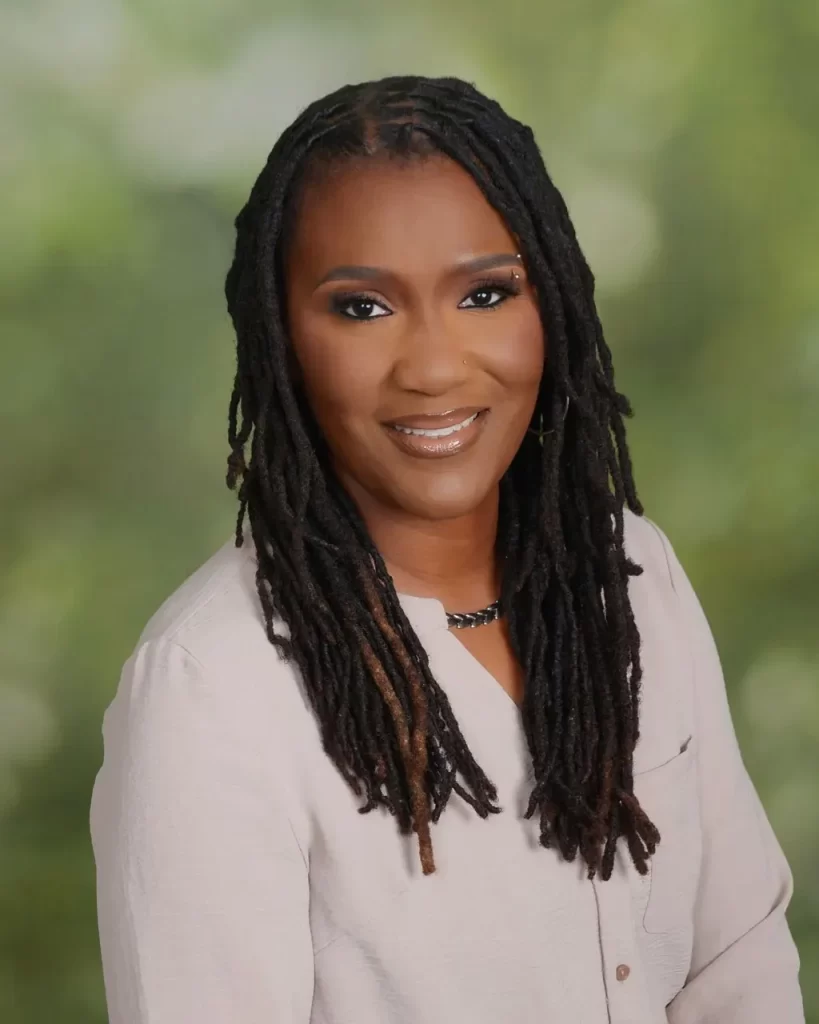
Welcome to our interview series, Halima Goodwin, its an honor to have you with us. In your own words, how would you introduce yourself and the mission behind your work?
Thank you. It is truly an honor to be here. I am a Doctorate prepared Psychiatric Nurse Practitioner with a deep commitment to caring for the whole person, not just symptoms or diagnoses. The mission behind my work has always been simple. My mission is to make mental health care compassionate, accessible, and thoughtful. Through Telepsych 4 You, my goal is to meet people where they are, listen deeply to their experiences, and provide care that feels respectful, collaborative, and empowering.
With over 25 years in pediatric and mental health care, what experiences most shaped the way you practice today?
Early in my career, working with children and families revealed how profoundly early experiences shape emotional development and long-term mental health. I saw how missed diagnoses, untreated trauma, and systemic barriers could echo across decades. At the same time, I witnessed how early support and attentive care could change life trajectories. These experiences taught me to slow down, listen carefully, and approach every patient with curiosity rather than assumptions.
Telepsych 4 You emphasizes compassionate, evidence-based care. What does that look like in real life for someone booking their first appointment?
For someone booking their first appointment, they are met with patience and respect from the very beginning. We take time to understand their concerns, their history, and what prompted them to seek care. Evidence-based care guides our decisions, but compassion guides how we deliver that care. Patients are not rushed, talked over, or made to feel like a number. They are supported through every step.
You believe mental health care should be personalized, not rushed. How do you ensure each patient feels heard and involved in their treatment plan?
I make it a priority to listen first. Every patient has a story, and that story matters. I involve patients in decision-making by explaining options clearly, discussing risks and benefits, and respecting their preferences. Treatment is never a one-size-fits-all approach. It is a partnership. When patients feel heard, they are more engaged, and outcomes are better.
One thing that sets your practice apart is your thoughtful approach to medication. Why is using the lowest effective dose so important to long-term healing?
Medication can be incredibly helpful, but more is not always better. Using the lowest effective dose reduces side effects, supports long-term adherence, and allows patients to stay connected to how they feel both physically and emotionally. The goal is not to numb symptoms. The goal is to support stability while also encouraging therapy, lifestyle changes, and coping skills that promote lasting healing.
Many people delay care until they’re in crisis. What early signs should individuals or parents take seriously before things escalate?
Changes in sleep, appetite, mood, or behavior are often early warning signs. For children, this might look like withdrawal, irritability, or academic struggles. For adults, it can show up as chronic fatigue, anxiety, difficulty concentrating, or feeling emotionally overwhelmed. When something feels “off” for an extended period, it’s worth addressing sooner rather than later.
You care for patients as young as four years old and across the lifespan. How does treating both children and adults strengthen your overall approach?
Treating patients across the lifespan gives me a broader perspective. I can see how early experiences affect adult mental health and, conversely, how adult stressors impact parenting and family dynamics. This allows me to be more thoughtful, preventative, and developmentally informed in my care.
Telehealth has made mental health care more accessible. How does Telepsych 4 You support patients who may have struggled to access care in traditional settings?
Telehealth removes many barriers such as transportation issues, time off work, childcare, and geographic limitations. We serve patients in rural areas, those with mobility challenges, and individuals who may feel more comfortable opening up from their own space. Our goal is to make care approachable and flexible without sacrificing quality.
Your team works closely with vulnerable populations, including those in group homes and transitional housing. What special care considerations guide your work with these communities?
These populations often carry complex trauma and have faced systemic barriers to care. We approach them with extra patience, consistency, and collaboration. Clear communication, trauma-informed care, and coordination with caregivers or support systems are essential. Above all, we lead with dignity and respect.
Emerging issues like digital overload, sleep disruption, and high-functioning anxiety are often overlooked. How are you seeing these affect mental health today?
I see this every day, especially in adolescents and working adults. Constant stimulation, poor sleep, and pressure to perform can lead to chronic anxiety, irritability, and burnout, even in people who appear “high-functioning.” Addressing these issues requires looking beyond diagnoses and helping patients reset boundaries, routines, and expectations.
You offer comprehensive psychiatric evaluations rather than quick diagnoses. Why is a thorough evaluation so critical to effective treatment?
Mental health symptoms often overlap, and a rushed diagnosis can lead to ineffective or even harmful treatment. A thorough evaluation allows us to understand context, rule out underlying causes, and avoid mislabeling symptoms. Getting it right from the beginning saves time, frustration, and emotional distress for patients.
Many patients worry about stigma or judgment. How do you create a safe, welcoming space from the very first interaction?
We lead with empathy. From the first phone call to the first session, patients are treated with respect and confidentiality. I remind patients that seeking help is a strength, not a weakness. There is no judgment, only support and understanding.
With conditions like ADHD, trauma, and mood disorders often overlapping, how do you avoid misdiagnosis and ensure accurate care?
Careful assessment, ongoing observation, and collaboration are key. I do not rely on checklists alone.I look at patterns over time, developmental history, and response to treatment. Sometimes the diagnosis becomes clearer as trust builds and symptoms unfold.
What outcomes make you feel most proud of the work your team does at Telepsych 4 You?
Seeing patients regain stability, confidence, and hope is what matters most to me. Whether it’s a child thriving at school, an adult returning to work, or a family finally feeling supported, those moments remind us why this work is so important.
For someone considering mental health support but feeling unsure, what would you want them to know about choosing your practice?
I would want them to know they do not have to figure everything out before reaching out. At Telepsych 4 You, we meet you with compassion, not pressure. You’ll be listened to, respected, and supported every step of the way. Also, you will not be rushed through your healing.

We believe in sharing knowledge with everyone and making a positive change in society through our work and contributions. If you are interested in joining us, please check our ‘About’ page for more information