
About: Mark Howen is the author of One Fool’s Gold, Requiem For The Rooster, and The Inherent Dangers in Digging up the Family Tree. His novels explore family, memory, loss, identity, and the ways the past continues to shape our lives. Inspired in part by questions about his own family history, Mark writes deeply human stories about fathers and sons, friendship, love, regret, and the search for understanding.Known for his emotionally resonant characters and vivid settings, Mark’s work invites readers to reflect on their own memories, relationships, and the connections that define who they are.
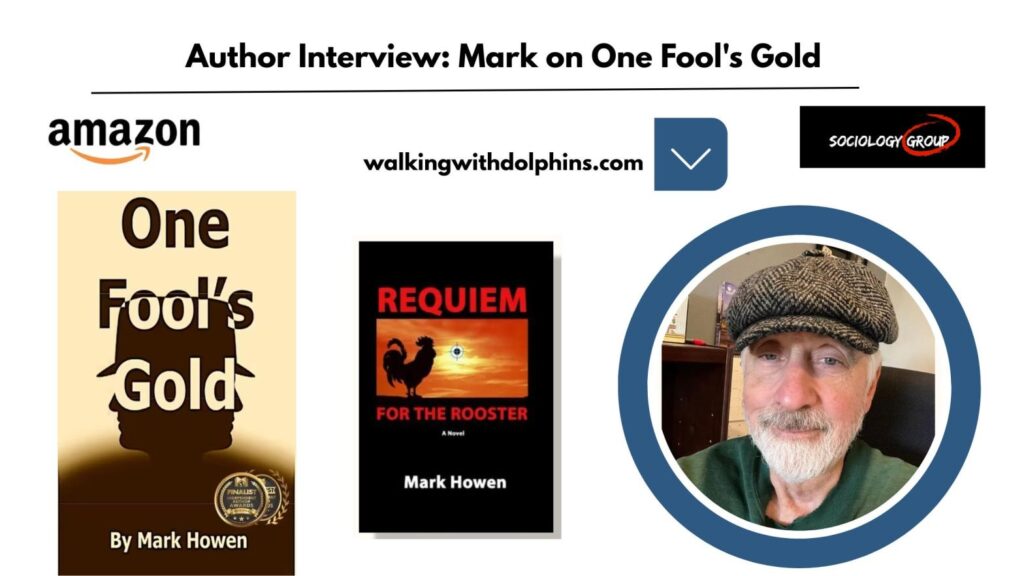
Welcome, Mark, and congratulations on the release of your third book, One Fool’s Gold. After spending time with this story and your earlier books, it feels like your characters are always searching for something deeper in life. Did you always know this new book would continue that emotional journey?
Thank you very much. Absolutely. One Fool’s Gold is basically the prequel to my first two novels, and the unanswered questions of the past needed to be addressed, even if the final result was still left a mystery. My characters continue moving forward, but the ‘what ifs’ continue to influence their decision making as well as their understanding of who they are.
In The Inherent Dangers in Digging up the Family Tree, Mason slowly realizes that family history can shape a person in ways they never fully understand. What first made you want to explore that idea?
That came purely from my own personal questions about my family’s history; questions I had concerning my father, why he was the way he was, and how his backstory influenced him. Once I eventually found out more about his brother, I considered how those events affected my father.
I noticed that in all your books, the past never really stays in the past. Old memories, hidden truths, and family wounds keep finding their way back. Why does that theme stay close to you as a writer?
We all want to believe we live for today, always moving forward, never living in the past, but in truth, the past—our history—lingers in the margins. The past serves as our guidelines, reminders, and lessons hopefully learned, yet often not. When questions remain unanswered, we are left with only speculation and wonder, which leaves us still unsettled. That sense of being unsettled is real and I believe makes for more interesting stories.
Requiem For The Rooster felt much darker and more intense emotionally, especially with the fear and division surrounding the family. What was going through your mind while writing that story?
To be honest, our whole political structure here in the USA was already turning down a very dark and threatening path—and this was only his first term in office. The fear and division in this country was really taking hold, and that, of course, couldn’t help but affect me personally. I was angry. My generation forgot what we went through during the Sixties and Seventies, and what little positive change that had occurred was now attempting to go backwards, thanks to the political powers controlling our lives. I felt my family was being threatened, and now, obviously, even more so. Where Requiem For The Rooster left off, things will move forward with the present state of chaos, fear, and division lingering on my mind and in my gut as I tackle the closing story to this series.
One Fool’s Gold feels different because it carries so much childhood innocence, warmth, and heartbreak at the same time. What drew you toward telling Leland’s younger years?
I was searching for answers to the questions I had about my own father. Why was he the way he was? He was a good man, but he wasn’t a complete father or husband, in my opinion. He didn’t engage beyond just being there. He wasn’t brutal or dishonest, but because there was no open door for communication, I never felt close to him, and able to talk about the things a young boy should be able to talk about with his dad. He never shared his past beyond where he lived. The story about his brother was never talked about, maybe out of fear, or maybe out of the shame he couldn’t shake. Only later, after he passed, were we able to dig up old news stories about his brother and the chaos he brought on his family. I could only speculate my father’s life and how he grew up, attempting to answer my own questions. I’m sure there are many people who have the same questions about their parents, especially those from that silent generation during The Great Depression and world wars.
The bond between Leland and Myron feels so natural – the joking, dreaming, fighting, and protecting each other. While writing them, did you ever feel like you were remembering real moments from life?
Absolutely. Though I didn’t have a brother, I had special friends that were like brothers to me. Those memories stick with you, and one of the rewarding things about writing is it allows you to revisit those feelings and realities. You find that child or young adult within you and speak and act as they would. It’s amazing how honest your younger self can be without all the filters of adulthood suppressing you.
Evelyn is such an unforgettable character because she feels mysterious but also deeply human. At what point did you realize she would become such an important emotional part of the story?
I was so happy to have found Evelyn on the page. She was the confluence of multiple women in my life, all intelligent and unique in their own way. That kind of energy can’t help but affect you emotionally. They challenge you, unnerve you at times, allow you to do things you might feel uncomfortable in doing, but without any hangups—everything is okay. You are safe. But, it has to be short lived, at least for Leland. Leland needed a punch in the gut.
One thing I really loved in One Fool’s Gold was how small moments felt just as important as the big ones – sitting by the stove, walking through town, childhood conversations, family dinners. Why are those quieter moments important to you?
It’s the quieter moments that hold us together. it seams to me that our routines, even traditions, grow out of our quiet moments, familiar daily patterns we follow that get us to the next thing. A lot can be said in those moments.
Your books often show fathers who carry regret quietly inside themselves. Leland’s father especially felt very real and emotional to read. What did you want readers to understand about him?
Our father’s fathers were of a much different time. There was little to no gray areas concerning who they were and what was expected of them. They kept their feelings contained, private. To do otherwise would show weakness. However, when a crack appeared it could be devastatingly painful. I believe sons tend to emulate their fathers, good or bad. We hopefully learn to pick and choose the best traits of our parents and discard those that were harmful. That’s a very important key in all of my books, thus far. Obviously, the choices Leland made were troubling for Walter, but those made by Myron practically destroy him. A father (parent) will more times than not blame themselves for their children’s choices.
Nature feels alive in your writing – the mountains, snow, lakes, and small towns almost feel like characters themselves. Does setting help shape the emotions of the story for you?
I like this question. Absolutely! Our environments can deeply affect our attitudes, actions, and inner being. Having lived in a small mountain town and in the big city, it is easy for me to tap into those two worlds. Granted, you can experience chaos in both, but you can find tranquility as well. The air is different, so are the sounds and light. Having lived in LA for a few years, and driven it’s freeways, when I go back to visit and merge into the traffic there, I automatically transform into a LA driver—just for survival sake—full speed ahead! It’s like getting on a ride at an amusement park. Our environments totally affect our emotional balance.
I noticed your characters are rarely “heroes” in the usual sense. They make mistakes, carry pain, and struggle emotionally. Is that honesty important to you when writing people?
Human beings always make mistakes, that’s how we learn and grow. There needs to be a connection to the characters that a reader can identify with. ”I know that person. This is my Uncle Charlie. That is me.” In truth, we are all heroes every single day, just getting out of bed, going to work, cooking a meal—living!
Across these books, there’s also a strong feeling that people are trying to hold families together even when life keeps pulling them apart. Do you think family is the emotional center of your work?
The family is the center of our world. And that can be true in all contexts of the word; personal family, community, country, religious, work, team, ect. Sometimes, the other forms of family can create conflict within our personal family dynamic, bringing pressures and opinions from outside the core. This is true in my writing, and in life in general. I believe we are given family as the constitution of how we should act with the rest of the world families. Unfortunately, our personal families are often deep in their own personal conflict.
Looking back now at your first books and then One Fool’s Gold, do you feel your writing has changed emotionally over time?
I hope so. I know my understanding of writing has changed. I believe I have achieved some growth and maturity. Hopefully, I’ve improved without sacrificing that raw newness that comes from not knowing any better. I realize that if I am moved emotionally by what I am putting down on the page, then it has a good chance of affecting the person that reads it. My three books have all revolved around a common topic; why was my father the way he was, and was it because of his brother? “One Fool’s Gold” was written to finally answer those questions, as best it could. Yet, we never really know. Yes, there was a lot more emotional growth for me attempting to answer those questions.
Was there any scene in One Fool’s Gold that became especially personal or difficult for you while writing it?
There were a few. Leland’s walk with Azriel, his breakdown on the island, and his frustration of attempting to come to terms with his son, all struck home. There were several segments that were about loss; moving from home, losing a friend, losing the love of your life, losing your identity. We all struggle with these things at some point in life.
After readers finish your books, what do you hope stays with them the most – the story itself, the emotions, or maybe something about their own lives and memories
Ultimately, I hope to strike a nerve they can relate to. Sometimes we need to reflect on what it is that makes us who we are. Sometimes we need a road trip. Unfortunately, it can happen due to a catastrophic injury or illness. Or often, reflection can be found under a willow tree next to a lake, and the golden sun shining through the branches.
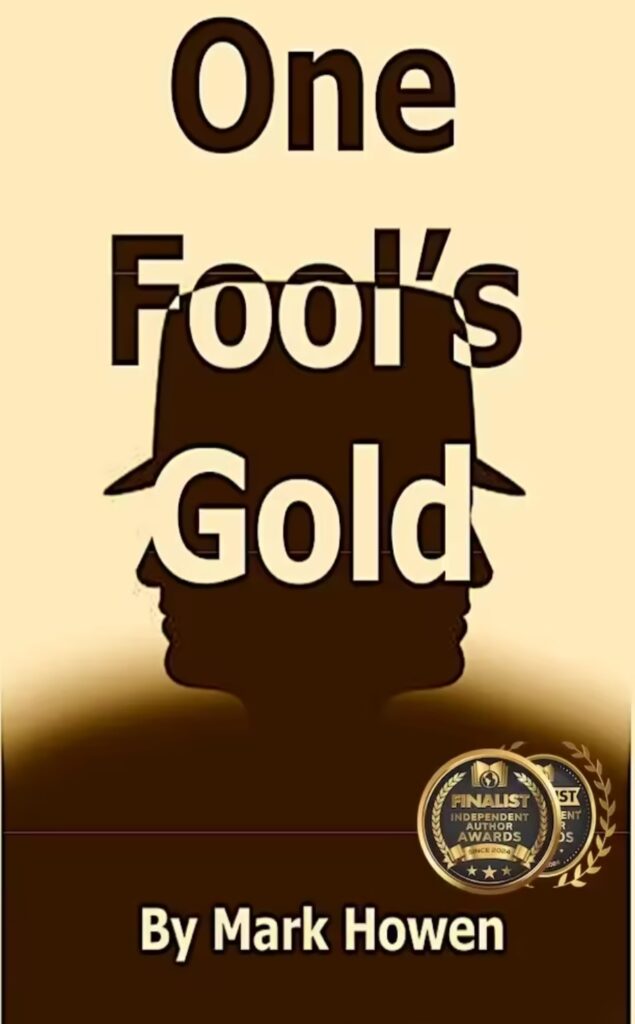
Recommend – One Fool’s Gold is a heartfelt novel that explores family, memory, loss, and the enduring influence of the past. Through richly drawn characters and emotional storytelling, Mark Howen examines the bonds that shape our lives and the questions that linger across generations. The book is available on Amazon

We believe in sharing knowledge with everyone and making a positive change in society through our work and contributions. If you are interested in joining us, please check our ‘About’ page for more information