
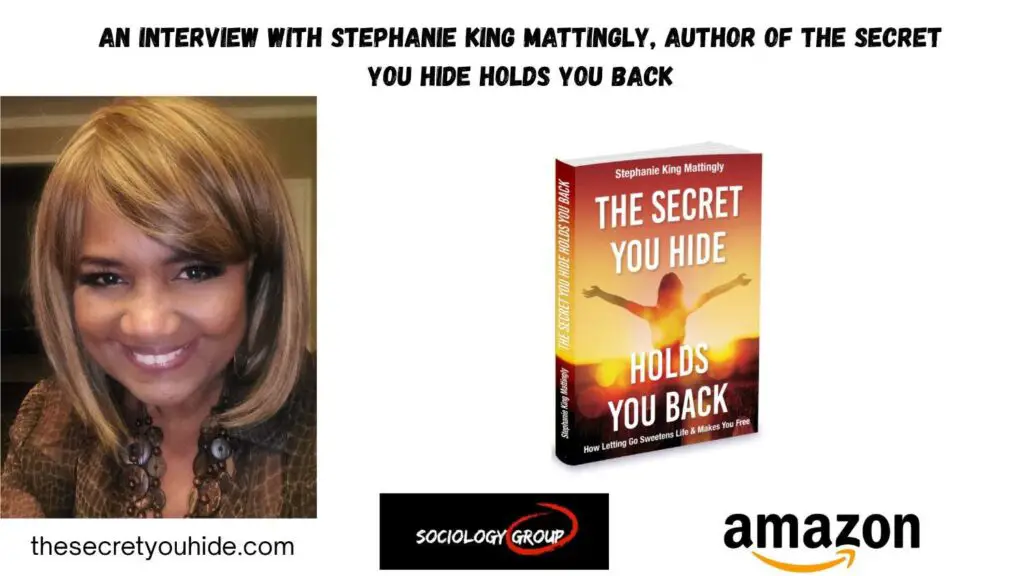
Can you tell us a little about yourself and what led you to write this book?
I am trained to notice what others missed. As a television journalist, my job was to ask questions, dig deeper, and help people understand what really happened and not just what it looked like on the surface.
But for a long time, I didn’t allow myself to dig into my own story.
I was functioning and on track to achieving my goals. I was showing up, and making strides, but I was also carrying experiences I never talked about. My memories seemed to chase me. Time and time again my past hurts would suddenly come to mind and hijack my emotions in the wrong places and at the wrong times. Attempts to manage and cope with my secrets didn’t work. When I could no longer stuff my feelings, control my stress, and carry the heavy weight of my hidden pain, I had to get those burdens off my chest
Over the years, journaling my thoughts, feelings, and prayers allowed me to release the pressure. It was risky looking back. The pages contained my pain, recorded in my own words. I rediscovered years of fears and tears.
Journaling ignited a spark within me, inspiring me to reveal what most people would prefer to keep hidden. Once I was able to distinguish between what was simply private and what was a crippling secret, I made the daring decision to dig deep, do the research, and ultimately produce the book, “The Secret You Hide Holds You Back: How Letting Go Sweetens Life & Makes You Free.” This book isn’t about exposing secrets. It’s about being aware, naming the impact, and releasing the weight you were never meant to carry. I’m not a psychiatrist or a therapist. What I share is lived experience.
A lot of people don’t even label what they’re feeling as a “secret.” How can someone tell when a hidden memory is quietly controlling them?
You are hiding secrets. How do I know? Science says so. Columbia University conducted a longitudinal study on the secrets people keep. The research revealed that everyone carries at least 13 secrets at any given time. And five (5) of those secrets they will take to the grave. That’s how fearful some people are about revealing pain, trauma, and failures in life. Whether you choose to call it a secret, or not, there is no denying its power.
While most secrets don’t feel dramatic, they do show up as limiting patterns. For example, overreacting, shutting down, and feeling overwhelmed by moments that don’t call for such intense emotional reactions.
If your response feels much bigger than the situation, that’s a clue. Something old might have been touched. And therein lies your secret.
In journalism, we ask: What happened? When did it happen? Why does it matter? I teach women to prepared to ask those same questions during an emotional reaction. When you understand what’s underneath, you stop feeling hijacked by it. You don’t just react; you calmly choose your responses.
In your own life, what did hiding cost you emotionally, spiritually, or relationally?
Hiding didn’t destroy my life, but it did keep me quiet. I kept functioning. I showed up. I handled what needed to be handled. But inside, I stayed guarded. I learned how to manage my emotions instead of letting myself feel them.
Spiritually, while I know my life is hidden in Christ, my hiding made His presence feel distant. I believed in His grace, but I didn’t always rest in it. A part of me still felt like I had to carry everything alone, like letting go would somehow make things worse instead of better. This was far from the truth; I am never alone in Him.
In my relationships, hiding made me reliable and strong. People could depend on me. I was a people-pleaser. Hiding let me keep people at arm’s length. I was present, but I was careful not to allow anyone to come too close or to fully know me. I stayed safe by keeping parts of my story quiet. But that safety came at a cost. It cost me real, meaningful connection.
Over time, I learned this truth: trying to be strong without being honest is exhausting. Carrying secrets takes more out of you than facing them ever will.
Your book introduces the Letting Go Method: Spot it. Silence it. Stop it. Why was it important to make healing feel practical, not overwhelming?
When you are triggered by a secret or disturbing memory, you don’t need theory, you need something practical to use in the moment.
Life doesn’t slow down to allow you time to heal. Emotional reactions happen in real time while you’re at work, in conversations, and in relationships. My journalism background shaped this method. Reporters don’t guess, we investigate.
The Letting Go Method leads you to investigate your reactions without leaning into shame. It’s simple, structured, and repeatable. When you are triggered by a secret, this method allows you to respond with calm, clarity, and confidence
Healing shouldn’t feel confusing or heavy. It should feel possible because it is.
How does your journalism background show up in the book?
Another tool in the book features a strategy also drawn from journalism. It’s the 5 Ws & H: Who, What, When, Where, Why, and How. As a journalist, I am trained to question facts from the outside. Now, I lead clients in asking honest, searching, and challenging questions on the inside.
The goal is not to guide you into reliving past circumstances, but rather to understand them clearly.
When clarity replaces confusion, you take back your power.
The book includes five women’s stories. Why was that important?
Those five stories represent real-life experiences, including different seasons, different wounds, and different voices. I chose the words thoughtfully. I didn’t share for shock value or attention. I shared enough for you to possibly recognize your own circumstances in these experiences.
The goal isn’t the story itself, it’s the pattern. Once you recognize yourself in those patterns, you’ll realize you’re not broken. You’re human, and you’re not alone.
What role does faith play in your healing—and how does grace show up?
Faith is the most important aspect of my healing. Just because I have faith doesn’t mean I have to pretend that I am okay. It means I can stand on truth while I’m still healing. It shows up clearly in the “Silence It” step of the Letting Go Method. This is where I have the power to silence the lies my past speaks about me. Instead of letting fear, shame, or old lies take over, I realign what I believe with the truth of who God says I am.
Grace meets me in this place. It reminds me that peace is not something I earn and love is not something I have to prove.
I don’t have to be good enough to experience peace, nor must I fix myself to be loved. Through Christ, I am already accepted—even in the middle of the mess.
Together, faith and grace allow me to face my past without being controlled by it.
What moment made you realize it was time to stop hiding your story?
There was a season when I isolated myself, fearing judgment and rejection.
One day, I asked myself a hard question: Do I truly believe what God says about me? Or am I believing the loud shouts of pain from my past?
When I remembered who I am in Christ, something shifted. Waves of peace came over me. I cherish these moments of refreshment. I want them more and more. I would stand before God open, honest, and authentic. I pour my heart out to Him. Then, I set out to keep the communication open. I realized hiding my secrets wasn’t protecting me, hiding was holding me back.
I know I am safe, secure, and deeply loved.
That is a secret I cannot and I will not keep to myself.
Why are we so afraid to open up, even to ourselves?
You’re afraid because you think looking at pain will make it worse. You tell yourself it’s better to keep moving, stay busy, and not stir things up. On the surface, that feels safer.
But pain that’s never named doesn’t disappear. It doesn’t fade with time. It just finds other ways to show up, such as in your reactions, your relationships, your body, and your thoughts. You might not be willing to call it a secret, but it still has a voice.
Trying to hide your truth to avoid sharing it might feel like protection, but it’s only temporary. Getting clarity is what brings relief. When you slow down and face the lingering effects from past hurts, the fear loses its grip. In the Secret You Hide Holds You Back, I recommend a Secrets Journal, a safe friend to confide in, or even a therapist to help you open the door to what you’ve been hiding, so you can share from your heart. That’s when real peace begins.
What does freedom mean to you now?
Freedom means being authentically me. Not edited. Not performing. Not shrinking or overcompensating. It means I can show up just as I am, aware of my past, but not controlled by it. My identity is rooted in Christ, not in my wounds. I am free because I know I’m loved and accepted.
What message do you want women (people) of faith to carry with them after reading your book?
You are worthy and loved, right now, as you are. Not after healing. Not after fixing yourself. Not after figuring everything out.
You hold onto secrets because you believe they could change how people see you or accept you. You carry memories quietly, convinced it’s safer to manage them than to face them. But your worth is already settled by God. Nothing you’re hiding, and nothing you’re afraid to name, can take that away. He longs for your authenticity.
It is that truth that will keep you steady in every season of life. When you stop hiding from who you are and start standing on what God says is true about you, fear loosens its grip. And when your identity is no longer tied to the secrets you hide, you can finally move forward.
You shouldn’t have to keep reliving old pain to move forward—and you don’t have to when you learn how to Live a Life That Lets Go.
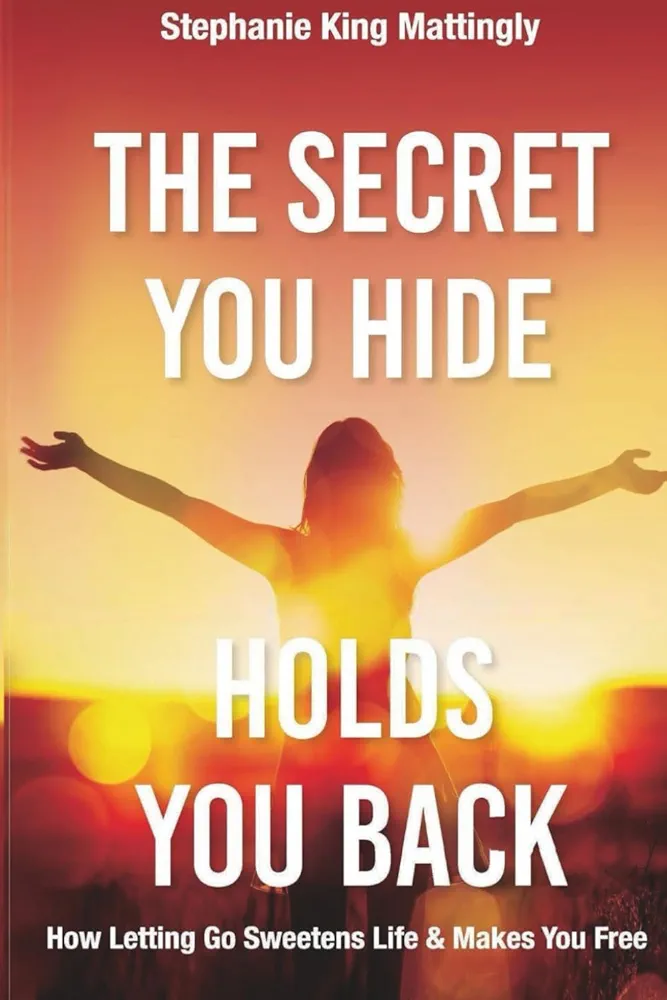
The Secret You Hide Holds You Back: How Letting Go Sweetens Life & Makes You Free is available on Amazon and Barnes & Noble, as well as other major retailers.

We believe in sharing knowledge with everyone and making a positive change in society through our work and contributions. If you are interested in joining us, please check our ‘About’ page for more information