
Welcome to our interview series, Kara. Congratulations on your book The Unspoken Rules of Church. Your journey as an Army officer, a mother, a scholar, and a woman of faith is inspiring.
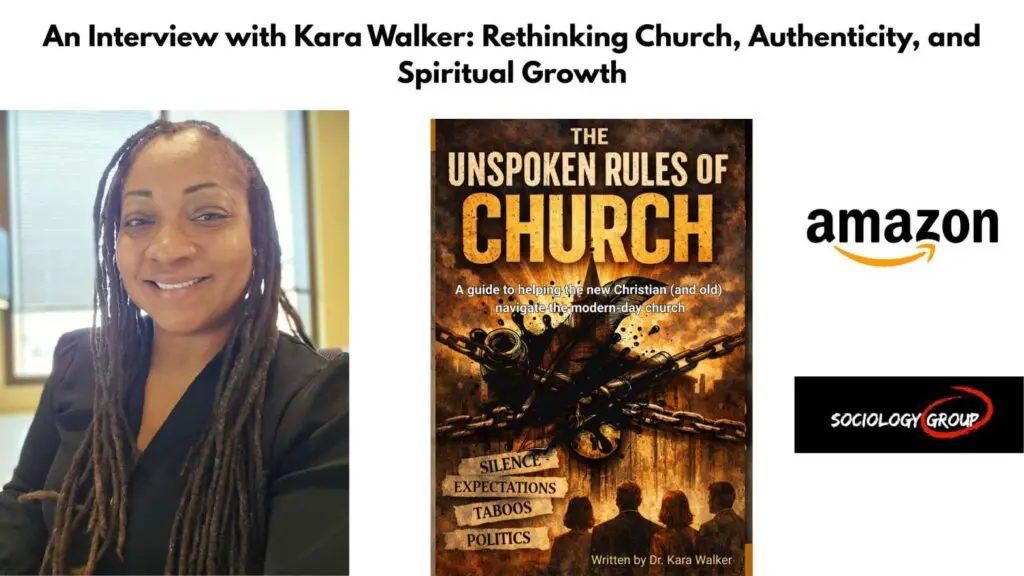
To begin, could you briefly introduce yourself and share what led you to write this book?
I’m Kara Walker, a Christian, writer, and someone walking out faith in a real way. I wrote The Unspoken Rules of Church because many believers feel pressured to follow unspoken rules. My goal isn’t to criticize the church but to encourage honesty, reflection, and growth together. I hope this book helps start the conversations we need so no one feels alone.
- You serve in the Army as Major Walker while also pursuing a PhD in Public Administration and writing faith-based work. How do these different roles shape your perspective on leadership, faith, and service?
Being an Army Major, PhD candidate, and author has deepened my understanding of leadership, faith, and service. Leadership means developing others and upholding integrity and humility. In the Army, this is caring for Soldiers; in academia, it’s analyzing challenges and improving institutions; in writing, it’s sharing lessons for resilience and clarity. These roles have shaped my belief that leadership is ultimately serving others and encouraging purpose and accountability.
- You describe The Unspoken Rules of Church as a labor of love and obedience to God. What moment or experience made you feel called to write this message?
God calls each of us to a purpose. For me, that purpose now is to help Christians navigate experiences I’ve faced. After the New Year, the Holy Spirit guided me through writing the book, helping me recall important memories.
- The title suggests that many expectations in church are never openly discussed. What are some of these “unspoken rules,” and why do they often go unnoticed?
Unspoken rules include not discussing sexual immorality or its causes, not talking about the importance and power of fasting, and churches staying in routine. These go unnoticed because people avoid addressing issues, believing that “if it isn’t broken, don’t fix it.”
- Your book addresses topics that many churches avoid, such as church hurt, shame, and spiritual confusion. Why do you think these conversations are often difficult to have within church communities?
Many Christians feel pressured to appear strong, so they hide their struggles instead of being open. Churches may unintentionally reinforce this by celebrating victory over process, but real healing and growth require honesty. When churches make space for people to talk about pain, they become places of restoration.
- Many believers struggle with the difference between faith and performance. How can Christians focus more on genuine spiritual growth rather than trying to appear spiritually perfect?
Spiritual growth begins when we stop performing for people and start seeking intimacy with God. Performance centers on others’ perceptions, but faith is about surrender and transformation, which includes struggle and learning. God values honesty more than appearance, so growth happens with humility, obedience, and love.
- Church hurt is a reality for many people today. From your perspective, how can individuals begin to heal while still holding on to their faith?
God is not the same as those who hurt us. Churches are made up of imperfect people, and their flaws can cause pain. Healing starts by separating our faith from disappointments with people, honestly processing the hurt, and allowing God to restore trust with healthy boundaries and a new community.
- You emphasize that the goal of the book is not to criticize the church but to strengthen it. What does a healthy and spiritually mature church community look like to you?
A healthy church balances truth with grace. It promotes honesty about struggles and encourages spiritual growth. Leaders model humility and accountability. People are supported through real life and guided toward transformation, all reflecting Christ’s heart.
- Your writing speaks to both new believers and long-time Christians. What are some common misunderstandings about faith that people carry for years without realizing it?
Many believe that faith means no struggles, and when difficulties arise, they doubt themselves. Another misunderstanding is confusing church traditions with Biblical truth. Maturity means discerning the difference and focusing on the gospel of Christ.
- Discernment is a key theme in your work. How can believers learn to recognize God’s voice while navigating different teachings, traditions, and church cultures?
Discernment comes through a relationship with God. Prayer, Scripture, and listening to the Holy Spirit help us recognize what aligns with God’s character. Humility, wisdom, and testing what we hear are vital. Healthy discernment keeps us grounded in truth amid different perspectives.
- Many people feel pressure to conform to certain behaviors or expectations in church. How can believers remain authentic while still growing spiritually within a community?
Authenticity is essential for spiritual growth. Safe communities allow people to share their questions and struggles honestly while pursuing holiness. Authentic faith helps people grow into their calling, shaped by God’s Word, without rigid expectations.
- In your book, you talk about sanctification and the process of spiritual growth. Why is it important for Christians to understand that faith is a journey rather than instant perfection?
Seeing faith as a journey helps believers offer grace to themselves and others. Sanctification is lifelong; expecting instant perfection discourages growth. This walk with Christ is a marathon with obstacles, but continual seeking and returning to God keep us on track.
- Some topics you address like addiction, identity struggles, and spiritual warfare are rarely discussed openly in churches. Why do you believe creating safe spaces for these conversations is so important?
Silence often allows struggles to grow in isolation. When churches avoid difficult topics, people who are dealing with those realities can feel invisible or ashamed. Creating safe spaces for honest conversations reminds people that they are not alone and that God’s grace is large enough to meet them where they are. When churches address these issues with wisdom and compassion, they become places of healing rather than secrecy.
- You also write from your own personal experiences of grief, healing, and growth. How has your personal journey shaped the message of this book?
My personal journey deeply shaped the message of this book. Walking through grief, loss, and seasons of rebuilding forced me to confront many of the assumptions I once had about faith and church culture. Those experiences taught me that faith has to be real enough to survive life’s hardest moments. They also reminded me that God meets us not in perfection, but in honesty. Much of what I wrote came from learning to rediscover God’s presence in the middle of real life rather than idealized expectations.
- As someone who has spent decades in church life, what positive changes would you love to see in modern church culture?
I would love to see churches place greater emphasis on discipleship, spiritual maturity (such as cultivating spiritual gifts within their church), and authentic community. Growth should be measured not only by attendance or programs, but by how deeply people are being transformed in their faith and character. I also believe churches can benefit from creating environments where difficult conversations are welcomed rather than avoided. When transparency and humility become part of the culture, the church becomes a more powerful witness of Christ’s love.
- For new Christians who feel overwhelmed or unsure where they belong, what advice would you offer them as they begin their faith journey?
My advice would be to focus first on developing a personal relationship with God rather than trying to understand everything about church culture immediately. Faith grows over time, through experience and learning. It is okay to ask questions and take your time finding a community that nurtures your spiritual growth. Most importantly, remember that your journey with God is not about perfection but about learning to walk with Him one step at a time.
- How can church leaders better support believers who are struggling silently with shame, confusion, or past wounds?
Church leaders can start by just being authentic. When leaders acknowledge that spiritual growth involves struggle and healing, they give others permission to be honest about their own experiences. Leaders can also create environments where people feel heard rather than judged. Support often begins with listening, offering wise guidance, and connecting individuals to resources or mentorship that help them process their experiences in healthy ways.
- Many believers today are seeking deeper authenticity in their spiritual lives. What practices help people move from surface-level faith to a deeper relationship with God?
Depth in faith often grows through consistent spiritual practices such as prayer, Bible study, and quiet time spent reflecting on God’s Word. Faith also grows through obedience when we choose to live out what we believe in everyday situations. Community, mentorship, and accountability also play important roles. When believers surround themselves with people who encourage spiritual growth, their faith deepens and becomes more grounded.
- As you continue your PhD and your writing journey, how do you hope your work will impact both the church and the broader faith community?
My hope is that my work encourages honest conversations about faith, growth, and church culture. I want believers to feel empowered to pursue authentic relationships with God rather than feeling confined by expectations that may not reflect what the Bible says. Through both my academic acumen for seeking God’s truth and my writing, I hope to contribute to a deeper understanding of how faith develops across different seasons of life and how churches can better support that journey.
- Do you have other writers, mentors, or spiritual voices among your friends or family who have influenced or encouraged your writing and ministry?
My family has been a guiding light of love and have definitely encouraged me in my writing and ministry. One of my mentors is on fire for Christ, and just seeing her authentic walk with Christ has impacted me immensely. From Pastors at different churches I have attended while in the military to a few preachers on social media who boldly proclaim the Word of God, all of them remind me that spiritual leadership is not just about what we teach but about how we live.
- Finally, what message would you like to share with readers who may feel disconnected from the church but still long for a genuine relationship with God?
Feeling disconnected from church does not mean you are disconnected from God. Many people go through seasons where they wrestle with their experiences in church communities. What matters most is continuing to seek God honestly. God is not limited by our disappointments or past experiences. If you are longing for a genuine relationship with God, that desire itself is often evidence that He is already drawing you closer
You can find our book on Amazon.It’s available now to read and share.

We believe in sharing knowledge with everyone and making a positive change in society through our work and contributions. If you are interested in joining us, please check our ‘About’ page for more information