-
An Interview with Dr. Noel Packard: Survey of a Cluster of Pre-Internet Networks
In this exclusive interview Dr. Noel Packard – guest editor of an issue of American Behavioral Scientist entitled “Survey of a Cluster of Cold War Networks” which has been renamed “Survey of a Sample of Cold War Networks”. She discusses her research on Cold War-era military networks, their role in shaping today’s global communication systems,…
-
Meet the Professor: Dr. Stephanie Wilson, Sociologist, Educator, and Co-founder of Applied Worldwide
Stephanie: Sociologist, Creator, Researcher 2. As a co-founder of Applied Worldwide, could you briefly explain the organization’s mission? Stephanie: Our mission is to build a bridge between the discipline of sociology and everyday life to improve the well-being of society. As a sociologist, I see endless ways that sociological knowledge could benefit society, but our…
-
Interview with Assistant Professor Katie Durante, University of Utah, Department of Sociology
1. If you had to describe yourself in three words, what would they be? Integrity, light-hearted, responsible 2. Can you discuss some of your key findings regarding racial and ethnic inequality in the criminal legal system and how it has evolved over the years? One of the areas of research I focus on is racial…
-
An Interview with Jaime Grunfeld, LMHC, Author or Aliya, The Girl From Ukraine.
Short Bio: Jaime Grunfeld, LMHC, was born and raised in Sao Paulo, Brazil, where his parents, who lived in Hungary, fled after its invasion by the Nazis. As a teenager, he came to study at Yeshiva in Westchester County, NY, where he graduated in Talmudic Law. Returning to Brazil, he married and joined the family’s…
-
Interview with Dr. Christina Jackson: Insights into Sociology, Activism, and the Journey Ahead
Short Bio: Dr. Christina Jackson, an Associate Professor of Sociology at Stockton University, specializes in urban sociology, social welfare, and inequality from sociological and public health perspectives. Beyond academia, she’s an engaged scholar-activist, facilitating and consulting with community partners and creative groups on topics like anti-violence, gentrification, housing, food justice, and racial justice. She’s co-authored…
-
Author Spotlight: An Interview with Diane Meyer Lowman, the Writer of The Undiscovered Country: Seeing Myself Through Shakespeare’s Eyes
Diane is an award-winning essayist, memoirist, and poet. She served as Westport, CT’s inaugural Poet Laureate from 2019 to 2022. Her essays have appeared in numerous publications, including O, The Oprah Magazine; Brain, Child; and Brevity Blog. She also writes a regular column titled ‘Everything’s an Essay.’ Her first memoir, ‘Nothing But Blue,’ was published…
-
Essential Sociology Book for UPSC Mains Preparation
“Essential Sociology” Book Review: Sociology is one of the optional subjects that one can take for the Mains Exam of Civil Services Exam. In the list of 26 optional subjects, Sociology remains the most popular choice among the UPSC aspirants. Sociology optional syllabus for the Mains Examination is divided into two- Paper I and Paper-II.…
-
Ecofiction and Indian English Literature
In this essay, I mention the development of ecofiction in the light of Indian English literature. For this purpose, I have considered a few novels on the basis of common themes presented in them. These novels include The Butterfly Effect (2018) by Rajat Chaudhri, The Hungry Tide (2004) by Amitav Ghosh, and Arundhati Roy’s The…
-
Media and its Effects on Society
Abstract: Media makes people aware of events, persons, or possibilities beyond their direct experience. It helps the masses to understand the world beyond their own direct experiences, helps them to shape their opinion of the environment into the second-hand reality which characterizes much of the known world. Media can bring attitudinal changes in their views…
-
Karl Marx and Dr B R Ambedkar : Ideologies
Two of the most popular thinkers who raised their voice against the oppressed sections – socially or economically – are B.R. Ambedkar and Karl Marx. Ambedkar worked for the cause of the lower castes in the Indian context while Marx upheld the cause of the economically less powerful people belonging to the working class. Ambedkar…
-
American vs Classical Liberalism: Definition, Examples, Thinkers
Liberalism is considered to be an ideology whereby liberty, equality before law and consent of government and equality before the law. This article mainly focuses on Classical Liberalism and Modern Liberalism and how they are different from one another. Classical Liberalism Classical Liberalism is considered to be a political Ideology that propagates the concepts…
-
Game theory: meaning, importance, types, and examples
In brief, game theory covers the analysis of “mathematical models of strategic interaction which has to be among the rational decision makers”, which has found its usage in all disciplines of social science, and also in subjects like logic, systems science, and computer science. Initially, this theory approached zero-sums games. In these games, the losses…

Follow us On Instagram @sociology_official
Show off your social photography skills! Share your most engaging shots on our Instagram and let the world see your unique perspective.





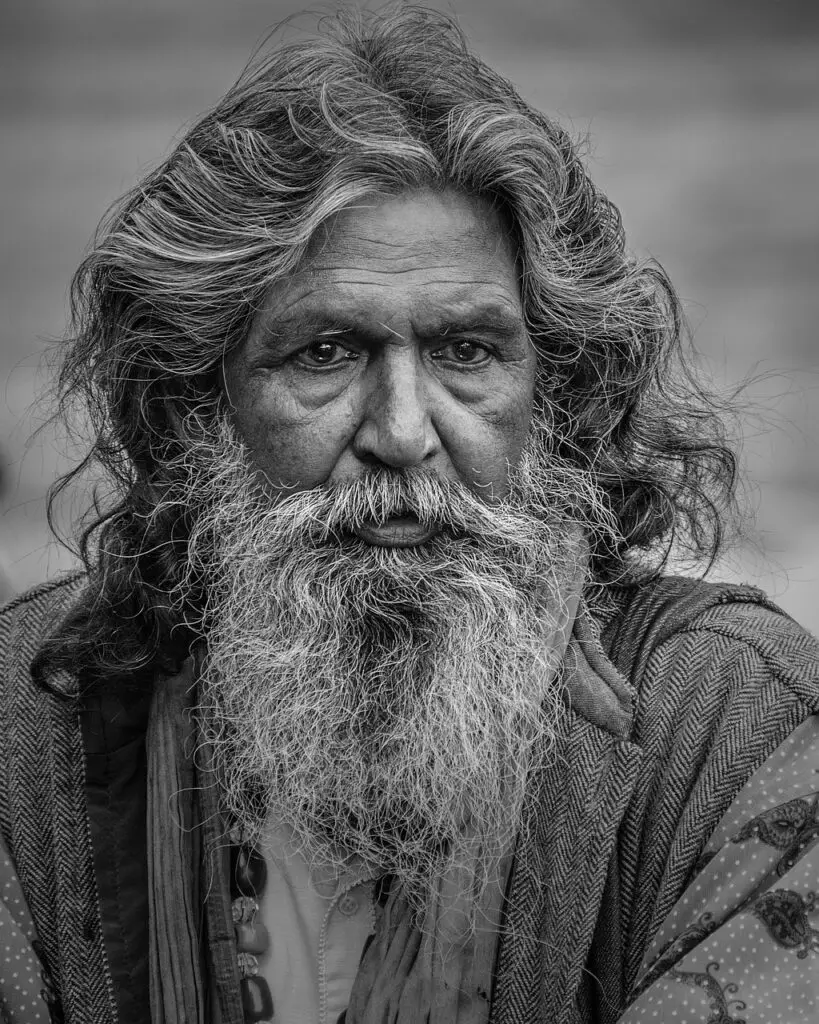
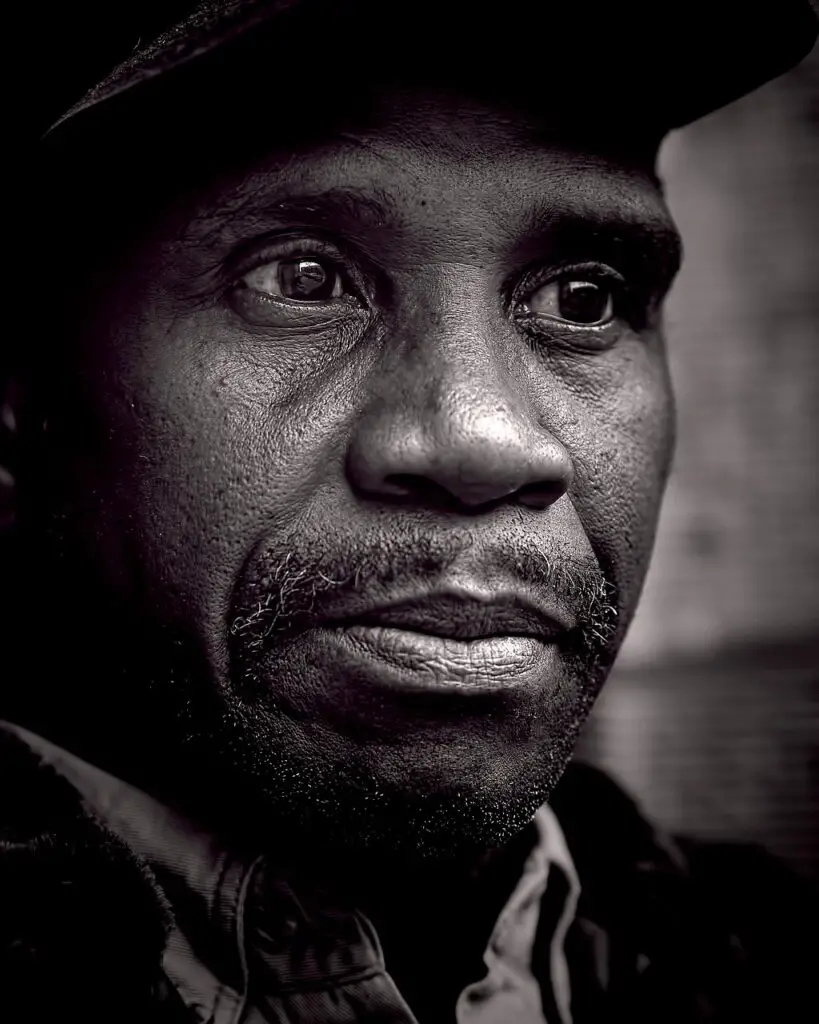
Leroy_Skalstad

Peer Voices Monthly – Podcast Series.
– Editorial Team, The Sociology Group