
Category: Political science
-
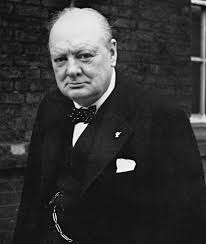
Churchill, Sukarno, Nikita Khrushchev, Jawaharlal Nehru, Mao-ts-tung
Great Personalities of the world 1.Winston Churchill(1874-1965) British statesman, Author, Historian, son of Randolph Churchill and descendant of the great Duke of Marlborough. In early life, Churchill served the Army in India and as a newspaper correspondent as a conservative in 1900 but changed his allegiance in 1905 and held various posts in liberal governments. On…
-

October Revolution, Emergence of USSR, February Revolution
Some Important Notes Regarding the October Revolution and the Emergence of USSR During 1917, there were two revolutions in Russia, or it would be more correct to say that there was a single revolution which developed into two phases. The Political phase or March revolution, that occurred in March 1917, and it sealed the fate…
-
Supreme Court: Powers, Qualifications, Removal Procedure
Read this article to learn about the powers, qualifications of the Judges, composition of the Supreme Court and Procedure for removal of judges The Powers of the Supreme Court 1.Original Jurisdiction: Cases that come directly to the supreme court are under its original jurisdiction and it settles disputes between Centre and State or Between States,…
-
Indian Constitution: Preamble and Salient Features
The constitution is a Volume of rules and regulations which determine the nature of the state and the System of Government. The preamble to the Indian Constitution The Indian Constitution begins with a forward called the Preamble. The Preamble embodies the basic principles or ideas of the constitution. It aims for the establishment of India as…
-
Constitution Concepts: Types Of Majority in Country
In the Indian Parliament, the decisions are taken by the majority. The decision can be anything like the passing of budget, motions, and resolutions, amendment of the constitution, etc. The Indian parliament has devised four types of the majority. They are 1. SIMPLE MAJORITY 2. EFFECTIVE MAJORITY 3. ABSOLUTE MAJORITY 4. SPECIAL MAJORITY Before going…